


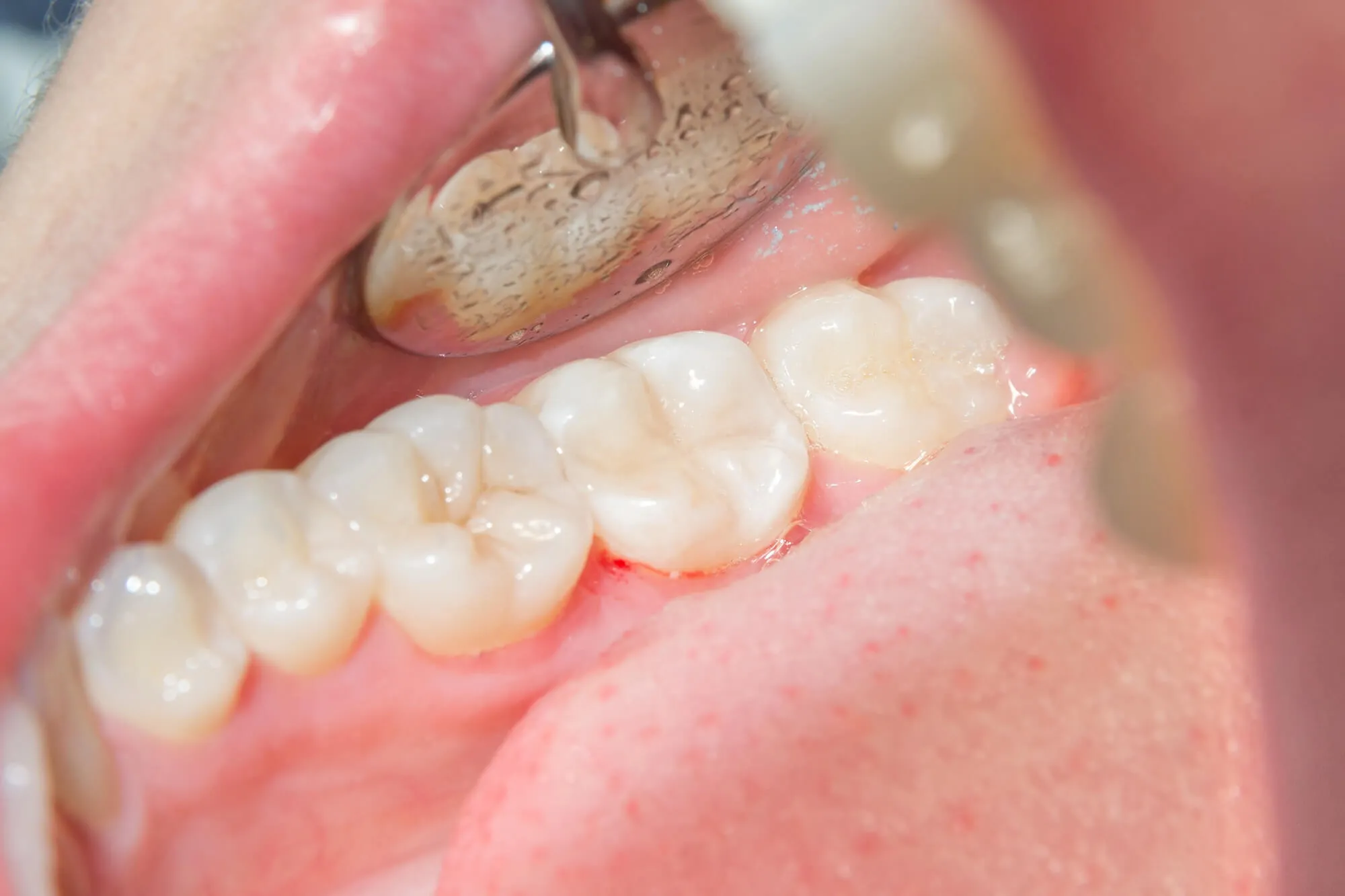


After getting composite fillings in College Station, TX, many people wonder how to keep them looking and feeling great. Although these fillings are strong and natural-looking, they still require proper care in the first few days. Knowing what to do—and what to avoid—helps your new restoration stay durable, comfortable, and long-lasting.
What You Should Do
Do Keep Up With Good Oral Hygiene
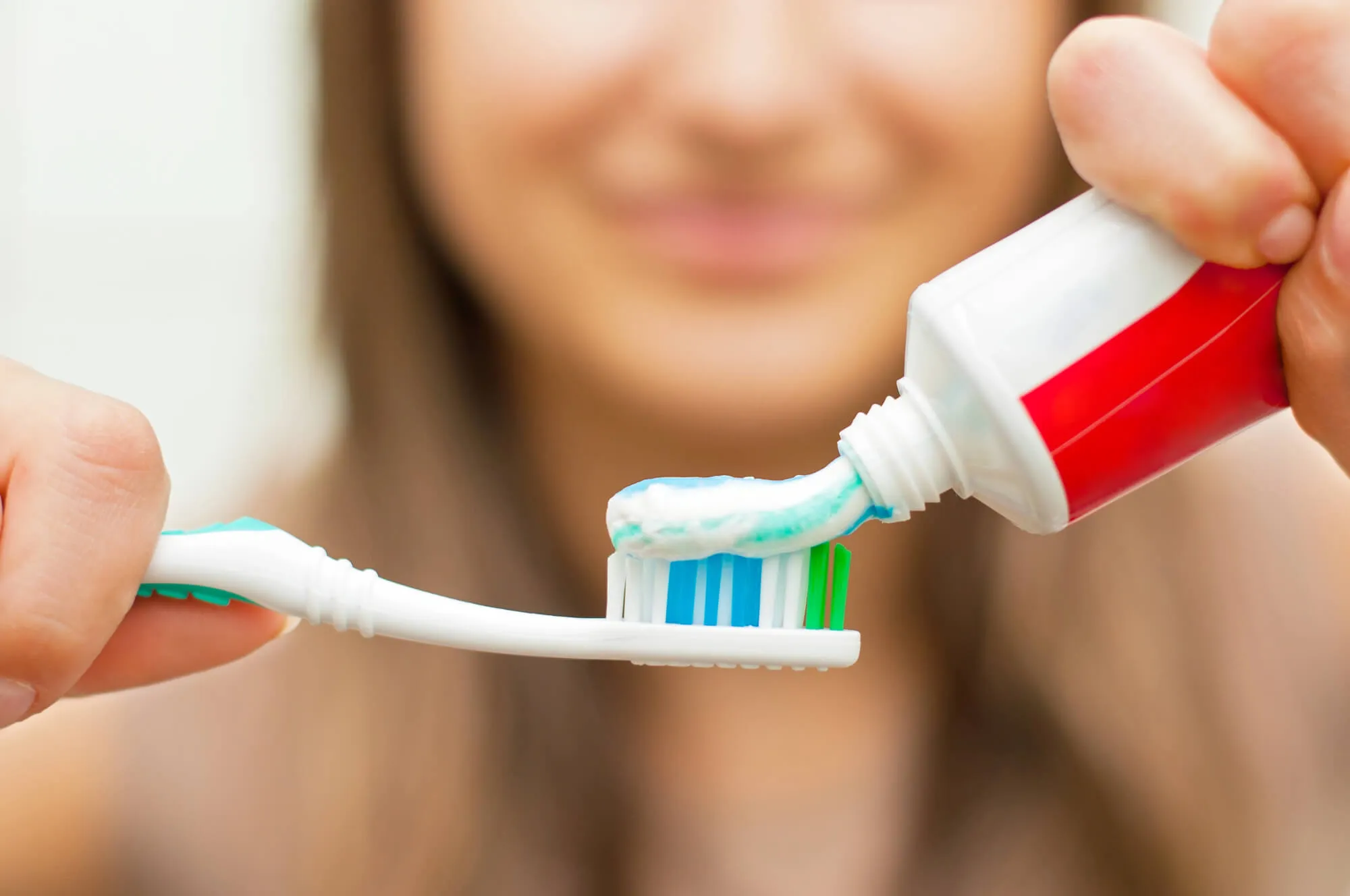
Brush twice daily with a soft-bristled toothbrush and fluoride toothpaste. Floss gently around the filled tooth to remove plaque without tugging. These habits protect your new filling and surrounding teeth from decay and discoloration.
Do Chew Carefully for the First 24 Hours
Even though composite fillings set immediately under a curing light, your bite may feel slightly different right after the appointment. Take your time adjusting by chewing slowly and sticking to softer foods, such as pasta, rice, or cooked vegetables. This helps prevent uneven pressure while your mouth settles and ensures your new filling bonds comfortably with your bite.
Do Schedule Regular Dental Visits
Visit your dentist every six months for a checkup and cleaning—or sooner if your filling feels uneven or sensitive. Regular visits allow your dentist to check for wear, polish the surface, and keep your fillings looking and functioning their best.
What You Should Avoid
Don’t Bite Hard Objects
Chewing on hard candy, ice, or pens can put stress on the filling and lead to cracks or chips.
Don’t Use Your Teeth as Tools
Opening bottles, tearing packages, or biting your nails can damage the filling and surrounding enamel. Keep these tasks for scissors or openers instead.
Don’t Overdo Coffee, Wine, or Tobacco
These can stain the composite material and dull the natural color of your filling.
When Can You Eat After a Composite Filling?
Composite fillings harden right away under the curing light, so the filling itself is ready to use as soon as you leave the chair. The real limit is numbness. If you received local anesthetic, wait until the feeling in your lips, cheek, and tongue returns, usually within a couple of hours, before eating. Chewing while numb makes it easy to bite your cheek or tongue without noticing. Until the numbness fades, stick to sipping water or other cool liquids.
What’s Normal and What’s Not
Mild sensitivity to hot, cold, or pressure is common for a few days after a filling, since the tooth has just been worked on. It typically fades within a week or two on its own. A few signs are worth a call to your dentist:
- Your bite feels “high,” as if the filled tooth hits first when your teeth come together.
- Pain when you bite down.
- Sensitivity that gets worse instead of better.
A high bite is usually fixed in minutes with a quick adjustment, and leaving it alone can lead to ongoing discomfort or damage to the filling.
Can an Old Filling Be Filled Over?
Patients sometimes ask whether a new filling can simply be placed over an old one. In most cases, your dentist will first remove the damaged filling and any underlying decay, since bonding fresh material to an aging filling can trap problems beneath the surface. A thorough exam and X-rays help determine whether a repair or full replacement is the better choice.
If you have questions about your recovery, our team offering composite fillings in College Station, TX, is always happy to help you understand the normal healing process for something that needs a second look.

Keep Your Composite Fillings in College Station, TX, Strong
A little care goes a long way after getting composite fillings. If you experience lingering sensitivity or notice changes in texture or color, contact your dental team promptly.
At Cashion Dental, we focus on comfort and long-term oral health. Our team provides gentle, personalized care to keep your fillings—and your smile—healthy for years. Schedule your next appointment today.